

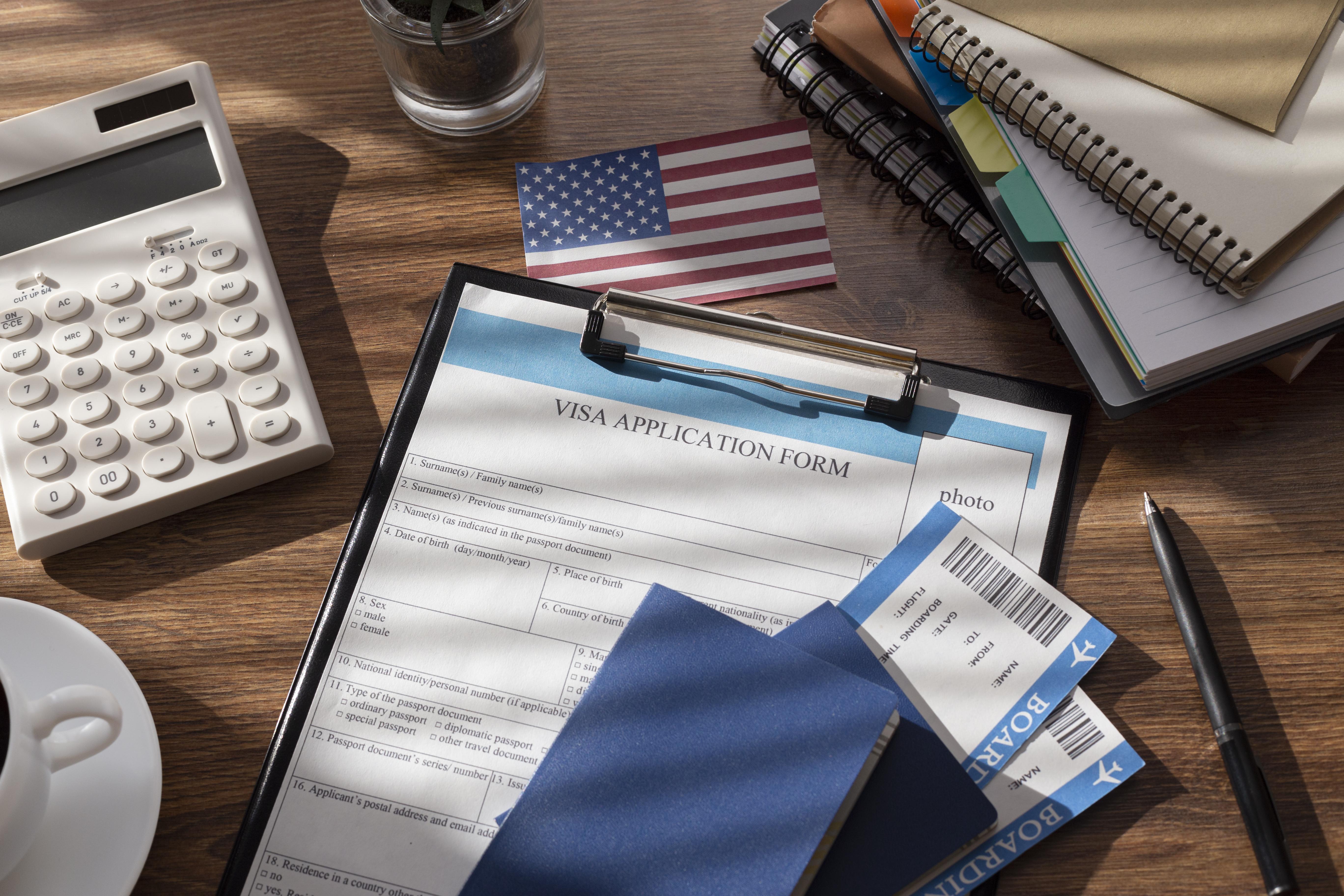

You received your university offer. You met all the conditions. Now everyone keeps telling you to wait for your CAS. But what exactly is a CAS letter, why does it take so long, and what can you do if your university delays it?
Understanding your CAS letter for your UK student visa is not just administrative housekeeping. It is a critical step in your UK student visa application. Getting it wrong can delay your entire study abroad journey.
What Is a CAS Letter?
CAS stands for Confirmation of Acceptance for Studies. It is a unique reference number issued by your UK university to confirm that you have been formally accepted into a course of study. Without a valid CAS, you cannot apply for a UK Student Visa. The UK Visas and Immigration (UKVI) authority requires it as proof that a licensed institution has genuinely accepted you.
Think of the CAS as the bridge between your university offer and your visa application. It tells the UK government:
- Which university you are attending
- Which course you have been accepted into
- Your expected course start and end dates
- Your tuition fee details
- Whether English language requirements have been met
- What financial conditions apply to your application
Your CAS is not a physical document. It is a 14-character alphanumeric reference number that you enter directly into your online visa application form.
Why Does the CAS Letter Matter for Your UK Student Visa?
The UKVI uses your CAS number to verify your student status directly with your university. When you apply for your visa, the Home Office cross-references your CAS with the university’s records to confirm that everything is accurate. If there is the smallest mismatch your application can be delayed, queried, or in some cases refused.
According to the UK Home Office, a valid CAS is mandatory for every international student applying for a UK Student Visa. There are no exceptions. This is why accuracy matters. A CAS with incorrect course details, wrong start dates, or financial discrepancies can create problems before your visa application even reaches a caseworker.
How Do UK Universities Issue a CAS Letter?
The process works in five clear steps.
Receive and Accept a University Offer
After applying through UCAS or directly, you accept the university’s offer and meet any outstanding conditions. These conditions include final exam results or English language scores.
Meet All Pre-CAS Requirements
Before issuing a CAS, most universities require you to submit:
- Proof of English language proficiency (IELTS, TOEFL, or equivalent)
- Academic transcripts and certificates
- Proof of financial resources (bank statements showing required funds)
- A valid passport you will use to travel
- Completed pre-enrollment or admission forms
Request CAS from Your University
UK universities hold a fixed CAS allocation from UKVI. They assign one CAS number per eligible student. Universities are legally responsible for the accuracy of every CAS they issue, which is why they do not rush this process.
Receive Your CAS Reference Number
Your university will send your unique 14-character CAS reference number and a summary of the details included. This is usually sent by email or through your student portal.
Apply for Your UK Student Visa
Submit your visa application using the CAS number through the UKVI online portal. Your application should be sent together with your supporting documents.
When Will Your University Issue Your CAS Letter?
Universities typically begin issuing CAS letters six to eight weeks before the course start date. Some universities open CAS issuance as early as three to four months. However, most follow a structured timetable tied to enrollment cycles.
Here is a general timeline for September intake students:
| Application Status | Typical CAS Issuance Period |
|---|---|
| Unconditional offer accepted by March | CAS may be issued from June |
| Conditions met in May – June | CAS typically issued in June – July |
| Late conditions cleared in July | CAS issued in July – August |
| Deferred entry (January intake) | CAS issued from November |
Universities will not issue your CAS until all conditions are met and all required documents are submitted. If you are waiting on your CAS, check your student portal or admissions email to confirm you have not missed a document request.
What Documents Do You Need Before Your University Issues a CAS Letter?
Most UK universities require the following before they assign your CAS:
- Valid Passport: The passport you intend to travel with.
- English Language Test Results: This is typically IELTS Academic (minimum overall 6.0 – 6.5 for most programmes) or an accepted alternative result.
- Academic Qualifications: Your final results or official transcripts.
- Proof of Funds: Bank statements showing you can cover tuition fees and living costs.
- Unconditional Acceptance: A confirmation that all offer conditions have been met.
- Completed Pre-enrollment Forms: Some universities require additional registration steps.
If any of these are missing or incomplete, your CAS will be delayed. For a full breakdown of what financial documents you need, read our Proof of Funds Guide for UK Student Visa Applications.
Why Do Universities Delay or Withhold a CAS Letter?
If your CAS has not arrived, it is almost always for one of these reasons.
Outstanding Conditions on Your Offer
If you have not submitted your final exam results, your offer is still conditional. Universities will not assign a CAS on a conditional offer.
Incomplete Financial Documentation
Your proof of funds does not meet the university’s requirements. Bank statements from the wrong account holder or not covering the required 28-day period.
English Language Requirements Not Yet Met
Your university can delay your CAS letter if your IELTS or equivalent score has not been received by them. Additionally, this happens if your score does not meet the minimum threshold.
Passport Discrepancies
Your name on the passport does not match your application exactly, or your passport will expire before the end of your course.
University CAS Allocation Timing
Some universities open CAS issuance only at set windows during the year. If you have met all your conditions but still have not received your CAS, it may simply not be that university’s issuance window yet.
Course-Specific Delays
Some faculties process CAS letters separately from central admissions. If your faculty manages this independently, timelines may vary.
What to do: Contact your university’s International Student Services or Admissions team directly. Ask specifically: “Have all my pre-CAS requirements been met? Is anything outstanding?”
Common CAS Mistakes That Cause Visa Problems
Your university prepares your CAS, but you are responsible for making sure the details are correct before submitting your visa application. Check these carefully when you receive your CAS letter:
- Course start and end dates must match your offer letter exactly.
- Tuition fee amount must reflect what you are paying, not the full course total.
- Your full name must match your passport, including middle names.
- Passport number must be the passport you will use to travel.
- University details to confirm the sponsor license number is correct.
- English language evidence to confirm your test results are reflected accurately.
If any detail is wrong, contact your university immediately and request a correction before submitting your visa application.
Real Scenarios: How CAS Timing Affects Students
Well-Prepared Early Applicant
Amara met all her offer conditions by April and submitted her financial documents in May. She received her CAS from the University of Birmingham in mid-June. She applied for her Student Visa on June 20, chose standard processing, and received her visa on July 18, seven weeks before her September start. A comfortable timeline with no stress.
The Last-Minute Document Problem
Chidi received his offer in February but did not realise his bank statements needed to show a full 28-day period. His university flagged the financial document issue in July. He resubmitted corrected statements on July 10, received his CAS on July 25, and had to choose priority visa processing to arrive in time for September. The delay was entirely preventable.
The Passport Mismatch Delay
Fatima’s CAS was issued with a middle name missing. She did not catch this until she started her visa application. Her university corrected and reissued the CAS within four days, but this cost her almost a week of processing buffer. Always cross-check your CAS against your passport on the day you receive it.
What Is a CAS Letter Interview?
Some students are asked to attend a CAS interview with their university before a CAS is issued. This is not a standard requirement, but it does happen if:
- Your university has concerns about the authenticity of your documents.
- Your application falls into a higher-scrutiny category.
- You are applying for a course in a field with historically high visa refusal rates.
- Your English language evidence is borderline.
A CAS interview is usually a short, informal conversation with an international admissions officer. They may ask about your course choice, your plans after graduating, or ask you to verify information from your application. If you are invited to a CAS interview, treat it as you would a visa interview: be honest, be clear, and bring all original documents. For full preparation guidance, read our UK Student Visa Interview Preparation Guide.
CAS Letter vs Unconditional Offer: What Is the Difference?
Many students confuse these two. You need both. The unconditional offer confirms your place. The CAS letter enables your UK student visa application.
Here is the distinction:
| Unconditional Offer | CAS Letter | |
|---|---|---|
| What it means | University says: “You’re accepted, all conditions met” | University officially confirms your enrollment to UKVI |
| Used for | Confirming your place at university | Applying for your UK Student Visa |
| Format | Letter or email from admissions | 14-character alphanumeric reference number |
| When issued | After conditions are met | Typically 6 – 8 weeks before course start |
| Issued by | University admissions team | University international office via UKVI system |
Frequently Asked Questions
Can I Apply for a UK Student Visa Without a CAS?
No. A valid CAS number is a mandatory requirement for the UK Student Visa application. UKVI will not process a student visa application without it.
How Long Is a CAS Valid For?
A CAS is typically valid for six months from the date of issue. You must apply for your visa within this six-month window. If your CAS expires before you apply, you will need to request a new one from your university.
What If My University Delays My CAS Letter Past My Visa Application Deadline?
Contact your university’s International Student Services team immediately. Explain the urgency. If the delay is on the university’s side, ask them to escalate. If you cannot resolve it, contact UKVI directly for guidance on your options.
Can a University Cancel or Withdraw My CAS Letter?
Yes. If your university discovers inaccurate information in your application, or if you fail to meet enrollment conditions, they may withdraw the CAS. This would invalidate any visa issued on the basis of that CAS.
Can I Use the Same CAS for a Different University?
No. A CAS is issued by a specific university for a specific course. It cannot be transferred or used for a different institution or programme.
Conclusion
If you are waiting on your CAS, log into your university student portal and confirm all requirements are completed. Always check your email for outstanding requests, verify every detail, and start your visa application early. UK Visa Application Process: Priority vs Standard Processing helps you understand your processing options.
Additionally, prepare your Proof of Funds Guide to submit alongside your visa application. Thousands of Nigerian students successfully receive their CAS and UK Student Visa every year. The process has clear steps, and most delays are preventable with the right preparation. You can do this.